
Treating cavities without drilling? Meet silver diamine fluoride
The sound of a dental drill is enough to make many people feel uneasy, especially young children visiting the dentist for the first time. For others, the thought of injections, vibration, or lengthy procedures can lead to delaying treatment altogether. Unfortunately, delaying treatment often allows tooth decay to progress, making it more difficult to manage later.
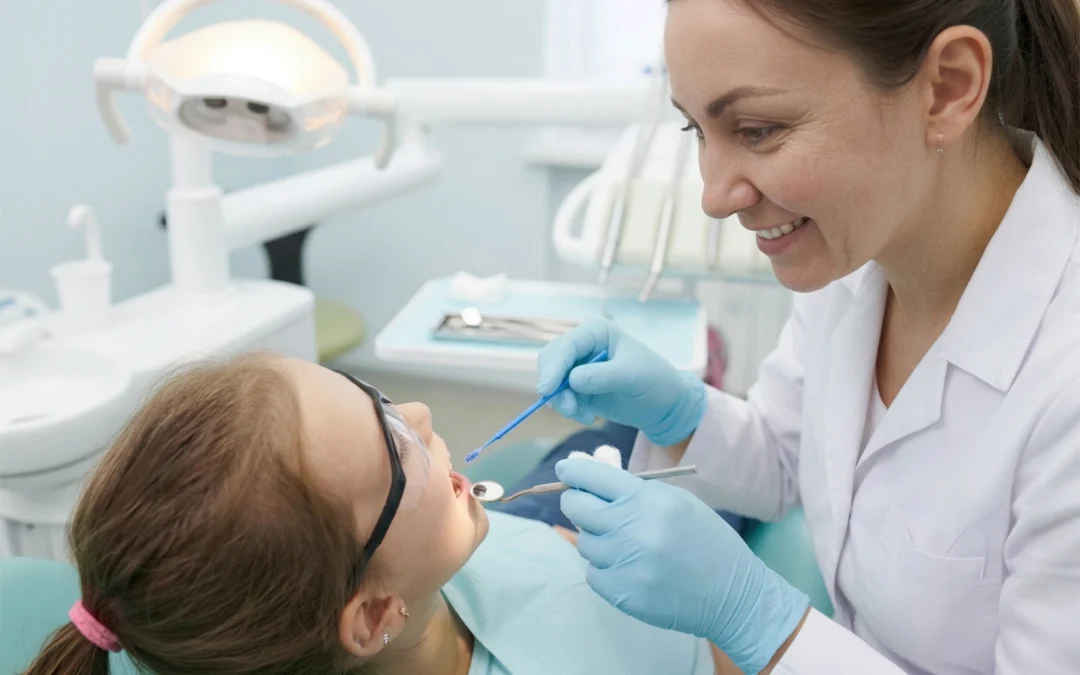
Modern dentistry continues to evolve with a stronger focus on prevention and minimally invasive care. One treatment that reflects this shift is silver diamine fluoride (SDF). Applied in just a few minutes with a small brush, SDF can stop active tooth decay without drilling, injections, or removing healthy tooth structure.
Although it is not suitable for every cavity, SDF offers an effective option for many patients, particularly children, older adults, and those who experience significant dental anxiety. Understanding how it works can help patients and families make informed decisions about their oral health.
What is silver diamine fluoride?
Silver diamine fluoride is a topical dental solution that combines two well-established ingredients: silver and fluoride. Together, they work to halt active tooth decay while strengthening the remaining tooth structure.
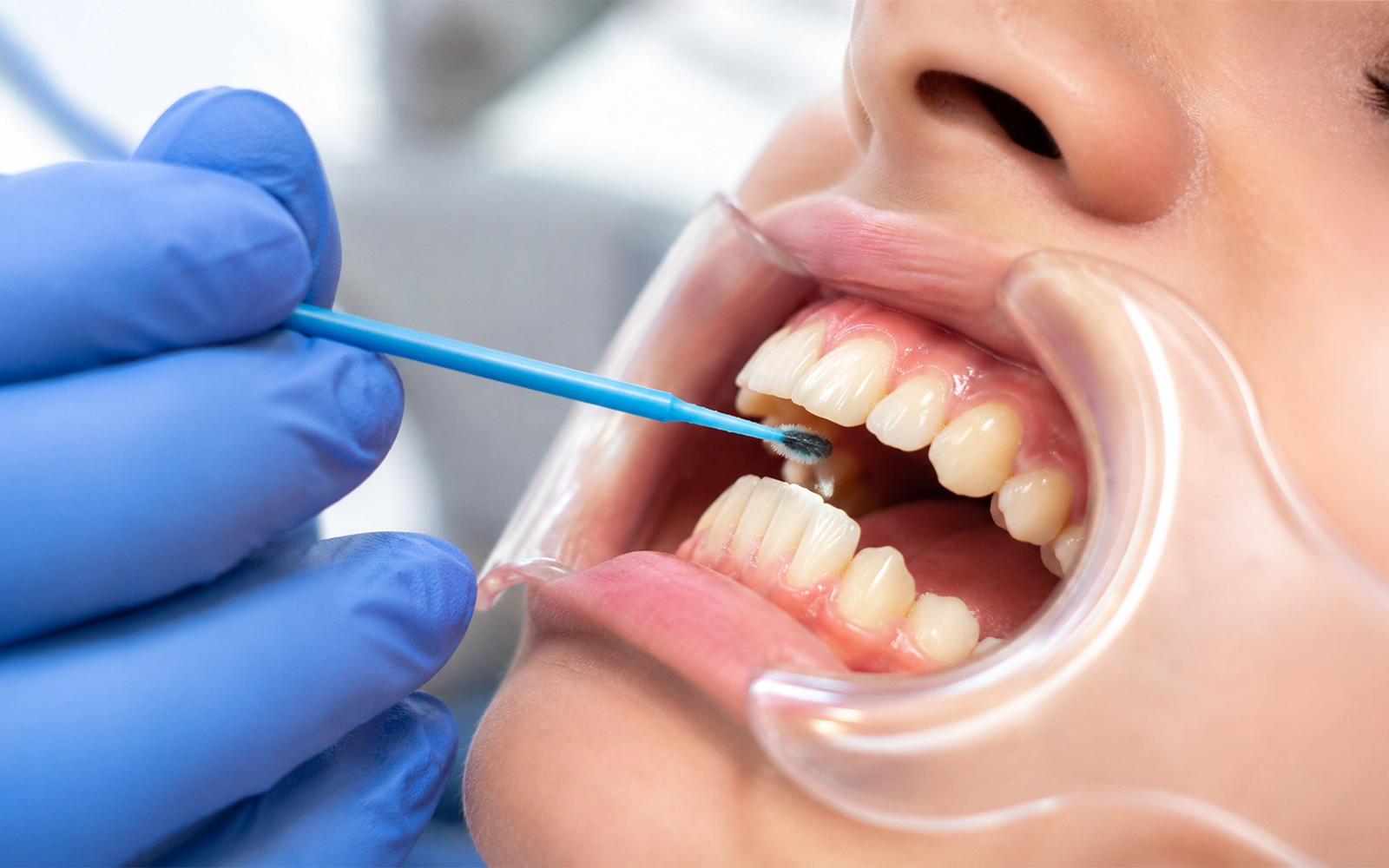
Rather than removing decayed tissue with a drill, the solution is carefully painted onto the affected area. The application takes only a few minutes and does not require local anaesthetic.
SDF has been used internationally for decades and is increasingly recognised as an effective, evidence-based treatment for managing certain types of dental decay, particularly when a minimally invasive approach is appropriate.
How does silver diamine fluoride work?
Although the application is simple, the science behind SDF is remarkably effective.
Silver targets harmful bacteria
Silver has powerful antimicrobial properties. Once applied, it helps eliminate many of the bacteria responsible for tooth decay and reduces bacterial activity within the cavity. This interrupts the progression of decay and creates an environment that is less favourable for further bacterial growth.
Fluoride strengthens weakened tooth structure
Fluoride has long been recognised for its ability to strengthen teeth. In SDF, it helps remineralise softened enamel and dentine, making the affected tooth more resistant to future acid attacks.
Over time, the treated area hardens and becomes more resistant to further decay.
A quick, comfortable procedure
One of the greatest advantages of SDF is its simplicity.
During the appointment, the dentist gently dries the tooth before applying a small amount of the liquid with a fine brush or micro-applicator. The solution is left to absorb for a short period before the treatment is complete.
There are no drills, no injections, and very little discomfort. Many children tolerate the procedure extremely well, and adults who feel anxious often appreciate the calm, straightforward experience.
Less invasive, more comfortable care
Traditional fillings remain an excellent treatment when decay has damaged the tooth significantly. However, modern dentistry aims to preserve as much healthy tooth structure as possible.
Minimally invasive treatments focus on preventing disease, slowing its progression, and conserving natural teeth whenever appropriate. Silver diamine fluoride aligns closely with this philosophy by treating active decay without unnecessary removal of healthy tissue.
This approach may also reduce the need for more extensive procedures later, particularly when decay is detected early.
Who can benefit most from silver diamine fluoride?
While SDF is not suitable for every patient or every cavity, it can be particularly valuable in several situations.
Young children
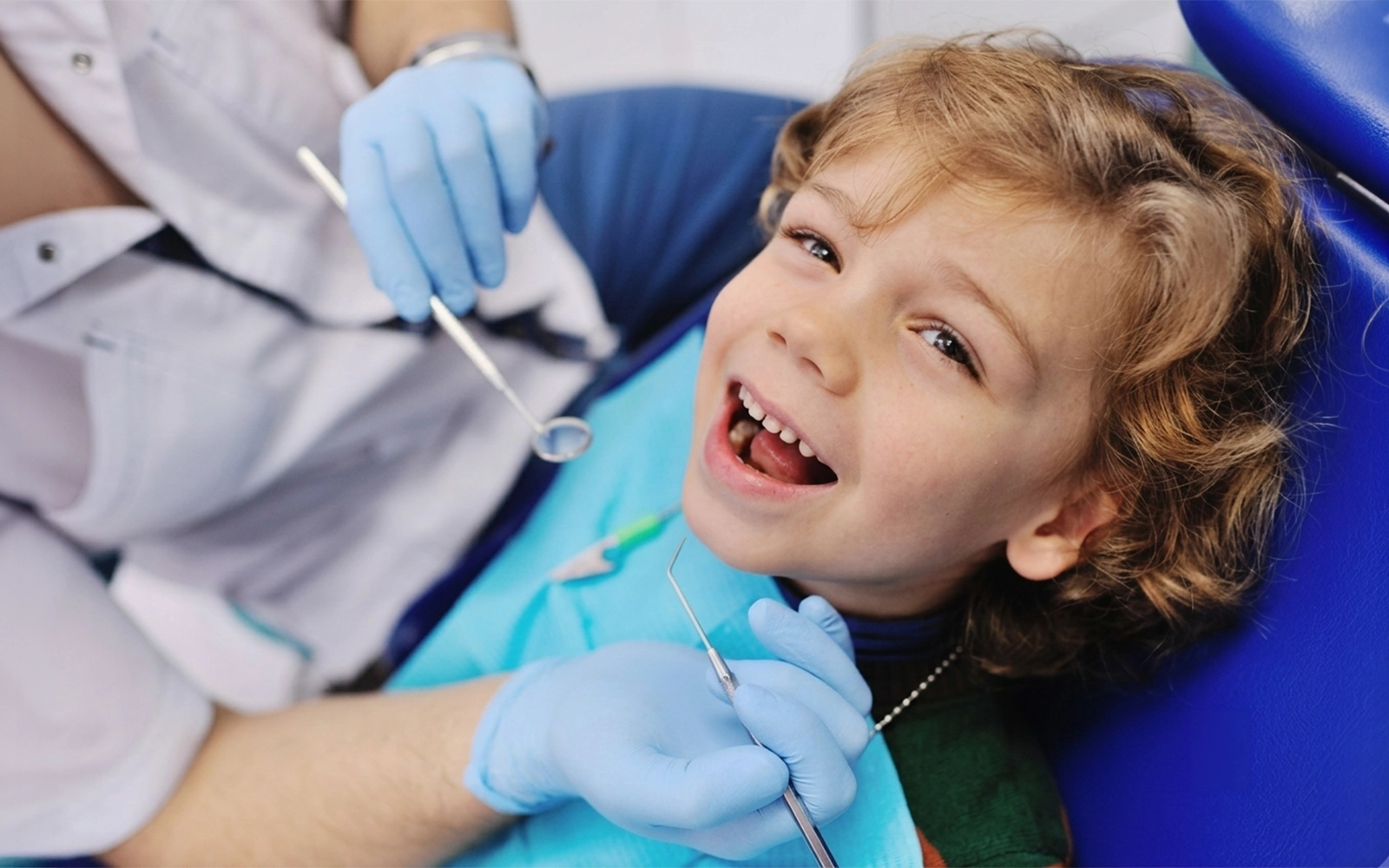
Treating cavities in very young children can be challenging. Sitting still for lengthy procedures may be difficult, and some children develop lifelong dental anxiety after an unpleasant first experience.
SDF offers a gentle alternative that allows dentists to manage early decay quickly while helping children build positive associations with dental care.
For some families, it also provides valuable time before a child is developmentally ready for more complex treatment if needed.
Patients with dental anxiety
Fear of dental treatment is common among both children and adults. Anxiety can lead people to delay appointments until discomfort becomes unavoidable.
For suitable cases, SDF allows patients to receive treatment without many of the aspects they find most stressful, including injections, drilling, vibration, and noise. This can make returning to regular dental care feel much more manageable.
Older adults
Older adults often experience root surface decay as gums naturally recede with age. These areas can be particularly vulnerable to cavities.
Silver diamine fluoride provides an effective option for slowing or stopping decay while avoiding lengthy treatment appointments that may be physically demanding.
Patients with additional healthcare needs
Individuals with physical, developmental, or medical conditions may find conventional dental procedures difficult to tolerate.
The speed and simplicity of SDF can make it an excellent option when reducing treatment time and stress is an important consideration.
The cosmetic trade-off
Every treatment has advantages and limitations. With silver diamine fluoride, the primary consideration is cosmetic.
When SDF successfully arrests active decay, the treated area turns dark brown or black. Although this may appear concerning initially, it is actually an indication that the decayed tissue has become inactive and hardened.
Importantly, healthy tooth structure does not become stained in the same way.
For this reason, dentists often recommend SDF for:
- Baby teeth that will naturally fall out.
- Back teeth that are less visible when smiling.
- Root surface cavities.
- Situations where stopping decay is the immediate priority.
If appearance is an important concern, your dentist may recommend covering the treated area with a tooth-coloured restoration at a later stage or discuss alternative treatment options that better suit your goals.
Clear communication before treatment helps ensure patients understand both the benefits and the expected appearance afterwards.
Which is better, silver diamine fluoride or a dental filling?
Neither treatment is universally better than the other. Each serves a different purpose.
- Silver Diamine Fluoride is designed to stop active decay. It does not rebuild missing tooth structure or restore the original shape of the tooth.
- A filling removes decayed tissue before replacing it with a restorative material that strengthens and reshapes the tooth.
The right treatment depends on the condition of the tooth, its location, and your long-term treatment goals.
| Silver Diamine Fluoride | Traditional Filling |
| Stops active tooth decay | Removes decay and restores the tooth |
| No drilling in appropriate cases | Usually requires drilling |
| No injections in most cases | Local anaesthetic may be required |
| Completed in just a few minutes | Generally takes longer |
| Leaves the treated decay dark | Matches the natural tooth colour |
| Best for appropriate cases | Suitable when structural repair is needed |
Following a thorough examination, your dentist will recommend the most appropriate option based on the size of the cavity, the location of the tooth, your overall oral health, and your treatment priorities.
In some situations, SDF may act as a temporary measure before a future restoration. In others, it may provide long-term management for carefully selected teeth.
What happens after silver diamine fluoride treatment?
Treatment is usually completed within minutes, and most patients can return to normal activities immediately. Depending on the size and activity of the cavity, your dentist may recommend monitoring the tooth or applying SDF again during future visits to maintain its protective effect.
Is silver diamine fluoride safe?
Silver diamine fluoride has been studied extensively and has demonstrated a strong safety profile when used appropriately by dental professionals.
The treatment is applied only to the affected tooth and in very small amounts. Most patients experience little to no discomfort during or after the procedure.
Like any dental treatment, SDF is not suitable for everyone. Your dentist will assess whether it is appropriate based on factors such as the location of the cavity, the condition of the tooth, and your overall dental health.
Prevention still comes first
Silver diamine fluoride is an excellent tool for managing certain cavities, but it is not a substitute for good oral hygiene or regular dental care.
The most effective way to protect your smile remains a combination of:
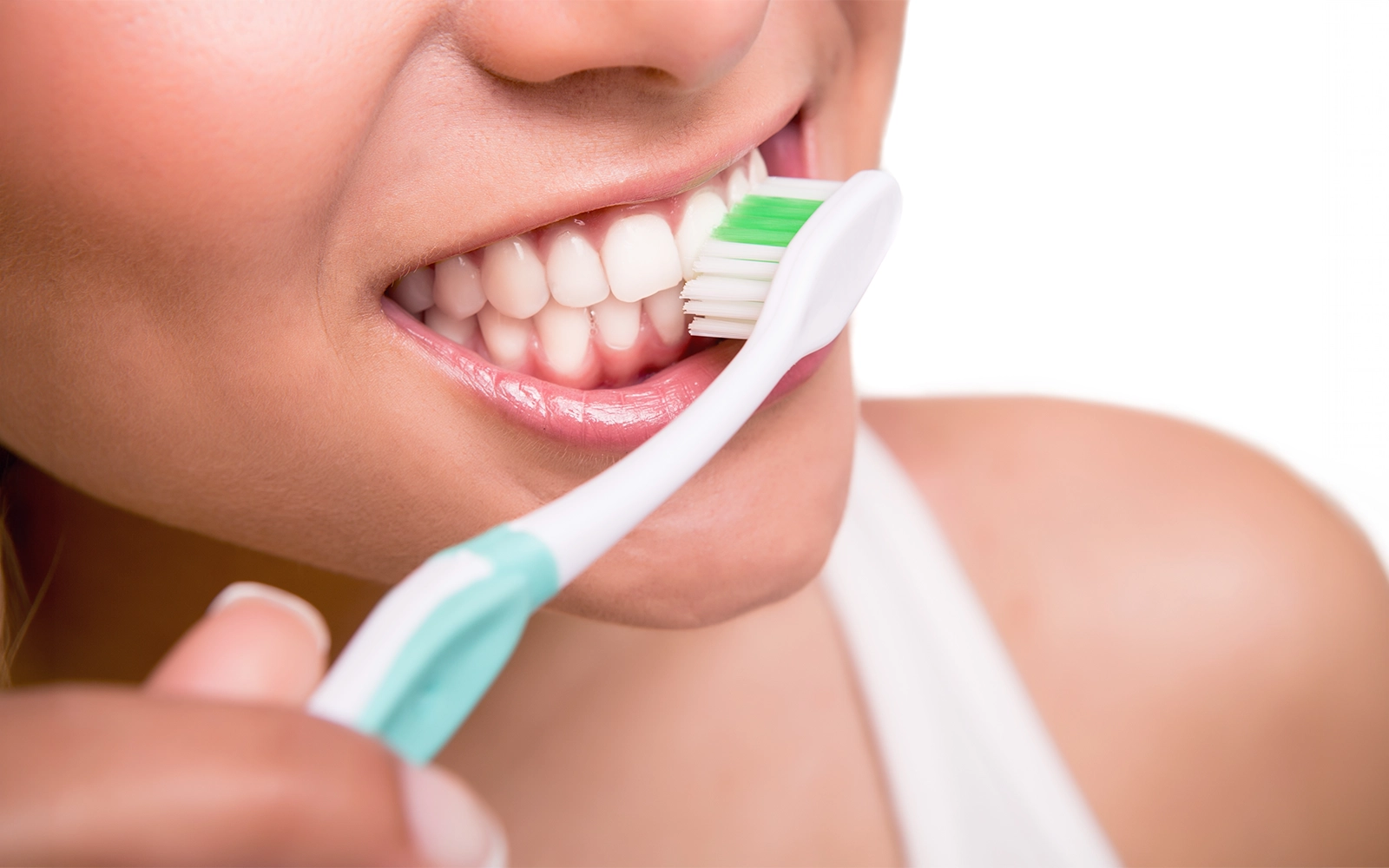
- Brushing twice daily with fluoride toothpaste.
- Cleaning between your teeth every day.
- Limiting frequent sugary food and drinks.
- Loose, wobbly, or shifting teeth
- Attending regular dental examinations and professional cleans.
- Addressing small dental concerns before they become larger problems.
Preventive care remains the simplest, most cost-effective way to maintain healthy teeth throughout life.
A gentler future for cavity care
Cavity treatment no longer has to be associated with stress or discomfort. Silver diamine fluoride is helping dentists care for suitable cavities with less discomfort, less anxiety, and fewer barriers to treatment.
Although it is not appropriate for every situation, it offers an effective solution for many children, anxious patients, older adults, and individuals who benefit from minimally invasive care. An examination by your dentist will determine whether SDF is the right choice for your individual needs.
Every healthy smile begins with early action. Regular dental check-ups make it possible to detect problems while they are still small and to explore treatment options that are both effective and comfortable. Combined with consistent daily oral hygiene, preventive care remains the best investment you can make in your long-term oral health.