How oral health dictates restorative sleep
Sleep is often described as a time when the brain rests and the body repairs. Yet that repair is closely connected to your oral health and is only as effective as your breathing throughout the night. Your neurological and physical recovery depends on maintaining free and consistent breathing throughout the night.
At the centre of this is the structure of your mouth. Jaw position, tongue tone, and surrounding tissues all shape how air flows through the airway. When these elements work in balance, sleep becomes deep and restorative. When they do not, the body falls into a cycle of interruption, strain, and incomplete recovery.
A clear view of this relationship redirects care from symptom management towards long-term anatomical solutions.
Your mouth shapes how you breathe
The oral cavity is not an isolated structure. It forms the entrance to the airway, and its shape influences how you breathe during sleep. The body functions as an integrated system, so changes in one area can affect the whole.
As the body relaxes, the muscles of the throat soften. The tongue settles back, and the soft palate lowers. In a well-structured airway, this natural process allows breathing to remain steady. In a compromised airway, it creates a narrowing that restricts airflow.
Dentists are often among the first to recognise early signs of this. Subtle indicators such as worn enamel from grinding, a scalloped tongue, or a narrow dental arch can point to an airway under strain. These are not isolated findings, but early signals of disrupted breathing during sleep.

The oxygen gap and the cost of fragmented sleep
When airflow is restricted, oxygen levels drop. The brain responds immediately, triggering a brief arousal to reopen the airway. These interruptions, known as micro-awakenings, are rarely remembered but can occur dozens or even hundreds of times per night.
The result is fragmented sleep. The body cycles repeatedly out of deep, restorative stages, limiting its ability to repair tissues, regulate hormones, and consolidate memory.
This disruption carries wider consequences. Elevated stress hormones such as cortisol can persist throughout the day. Metabolic processes become less efficient, affecting weight regulation and energy levels. Over time, the strain extends to cardiovascular health.
Snoring is often the first noticeable sign. While it may appear harmless, it can indicate underlying airway resistance or more serious conditions such as Obstructive Sleep Apnoea. Distinguishing between simple snoring and a clinical disorder is essential for proper management.
How oral health shapes the night
The structure and condition of the mouth directly influence how the airway behaves during sleep.
Jaw alignment
– plays a defining role. A retruded lower jaw can reduce the space behind the tongue, increasing the likelihood of airway collapse.Gum health and inflammation
– also contribute. The link between your gum health and sleep quality is a two-way street fueled by inflammation. Chronic periodontal disease isn’t just a localised issue; it releases pro-inflammatory markers into the bloodstream that can affect airway tissues and increase systemic stress. This relationship is bidirectional, meaning the physiological strain of disrupted sleep—often caused by issues like sleep apnea—further triggers the body’s inflammatory response, making it even harder to manage gum health. Essentially, a “vicious cycle” is created where poor oral health compromises sleep, and poor sleep allows gum disease to flourish, highlighting why a healthy mouth is a foundational pillar for restorative rest.Bruxism, or teeth grinding,
– is often misunderstood as a purely dental issue. In many cases, it is a protective reflex. The body tightens the jaw muscles in an attempt to reopen a partially obstructed airway. This repetitive strain leads to tooth wear, muscle fatigue, and headaches, while the underlying breathing issue remains unresolved.
Modern solutions in dental sleep medicine
Advances in dental care now offer targeted solutions that address the anatomical causes of poor sleep.
Mandibular Advancement Splints (MAS)
– are custom-designed oral appliances that gently reposition the lower jaw forward during sleep. This adjustment increases airway space and reduces collapse, allowing for more stable breathing without bulky external equipment.Orthodontic expansion
– focuses on widening the dental arch to create more room for the tongue. In growing patients, this approach can guide proper airway development. In adults, it can still contribute to improved airflow when carefully planned.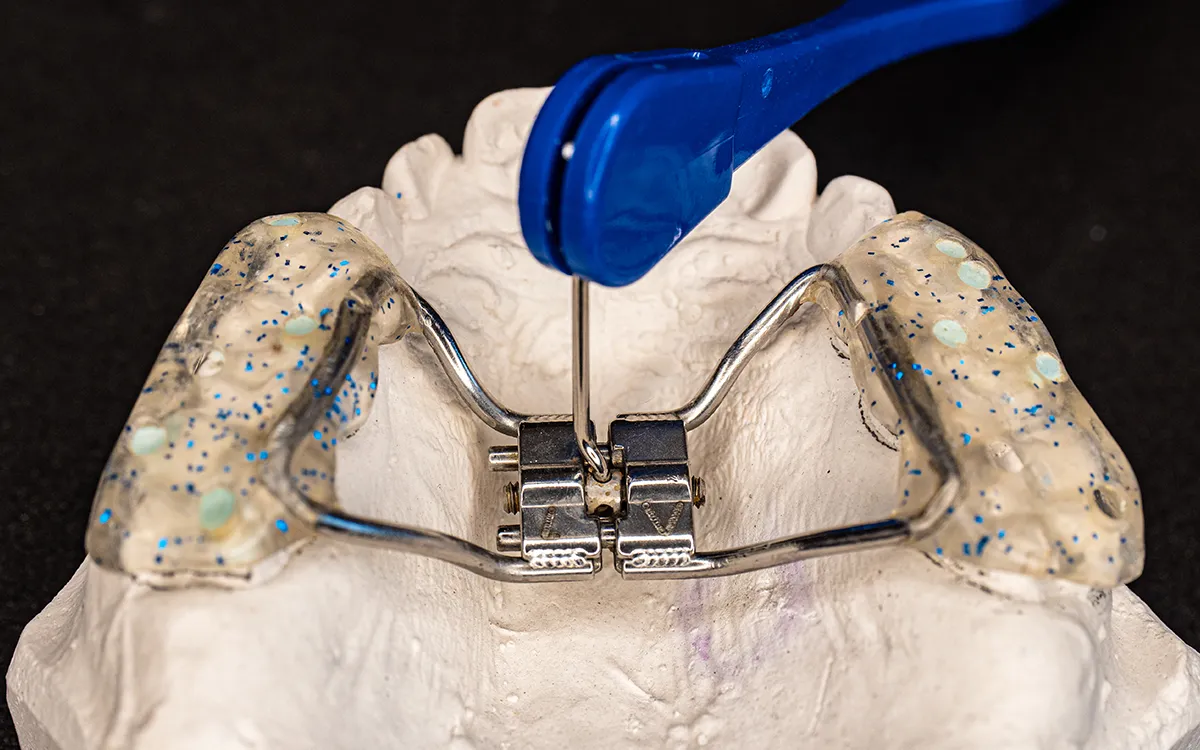
Myofunctional therapy
– strengthens the muscles of the tongue and orofacial region. Improved muscle tone helps maintain airway stability, reducing the likelihood of collapse during deep sleep.These approaches aim to restore natural breathing rather than simply compensate for its absence.
Reclaiming rest
Effective treatment begins with an accurate diagnosis. Dentists often work alongside sleep physicians to confirm conditions through a formal sleep study. This ensures that care is tailored to the severity and nature of the problem.
Modern dentistry enhances this process through digital precision. High-resolution intraoral scans allow for the design of appliances that are both effective and comfortable. This level of customisation improves patient adherence, which is critical for long-term success.
A multidisciplinary approach ensures that both the symptoms and their root cause are addressed in a coordinated manner.
Healthier sleep starts with the mouth
Restorative sleep is not a passive state. It is the result of uninterrupted breathing, stable physiology, and a well-functioning airway. Oral health plays a central role in each of these elements.
Addressing dental and airway concerns early can transform not only sleep quality but overall wellbeing. Improved focus, better energy, and reduced health risks are natural outcomes of consistent, restorative rest.
A dental check-up can reveal more than the condition of teeth and gums. It can uncover the hidden factors shaping how you sleep each night. With the right guidance and preventive care, it becomes possible to move beyond temporary solutions and build a foundation for lasting health.