

There’s a near-invisible enemy doing its best to sabotage your smile. Hard to see and easy to ignore, plaque can lead to cavities, gum disease, and even tooth loss if left unchecked. But what exactly is plaque, and how can you fight back? Let’s break it down—what plaque is, how it damages your teeth, and the best strategies to keep it under control.
What is dental plaque?
Dental plaque is a soft, sticky film of bacteria that constantly forms on your teeth and gums. It develops when bacteria in your mouth interact with saliva and food particles, especially sugars and starches. As these bacteria feed, they produce acids that erode tooth enamel and irritate the gums, increasing the risk of cavities and gum disease. If not removed through regular brushing and flossing, plaque can harden into tartar, making it even more difficult to control.

Stages of dental plaque and its impact on oral health
Plaque doesn’t turn into a major problem overnight—it develops gradually, becoming more harmful if left untreated. Understanding its stages can help you take action before serious damage occurs.
1. Early plaque formation
Plaque starts forming within hours after brushing. When food particles, bacteria, and saliva mix, they create a sticky biofilm that clings to your teeth and gums. If not removed through brushing and flossing, this layer thickens, providing a breeding ground for harmful bacteria.
2. Mature plaque and tartar formation
As plaque accumulates, it begins to harden into tartar (calculus) within 24 to 72 hours. Unlike soft plaque, tartar is a hardened deposit that cannot be removed by brushing alone. It creates a rough surface on the teeth, making it easier for more plaque to accumulate, which significantly increases the risk of tooth decay and gum disease.
3. Plaque-induced oral diseases
Unchecked plaque buildup leads to serious oral health problems, including:
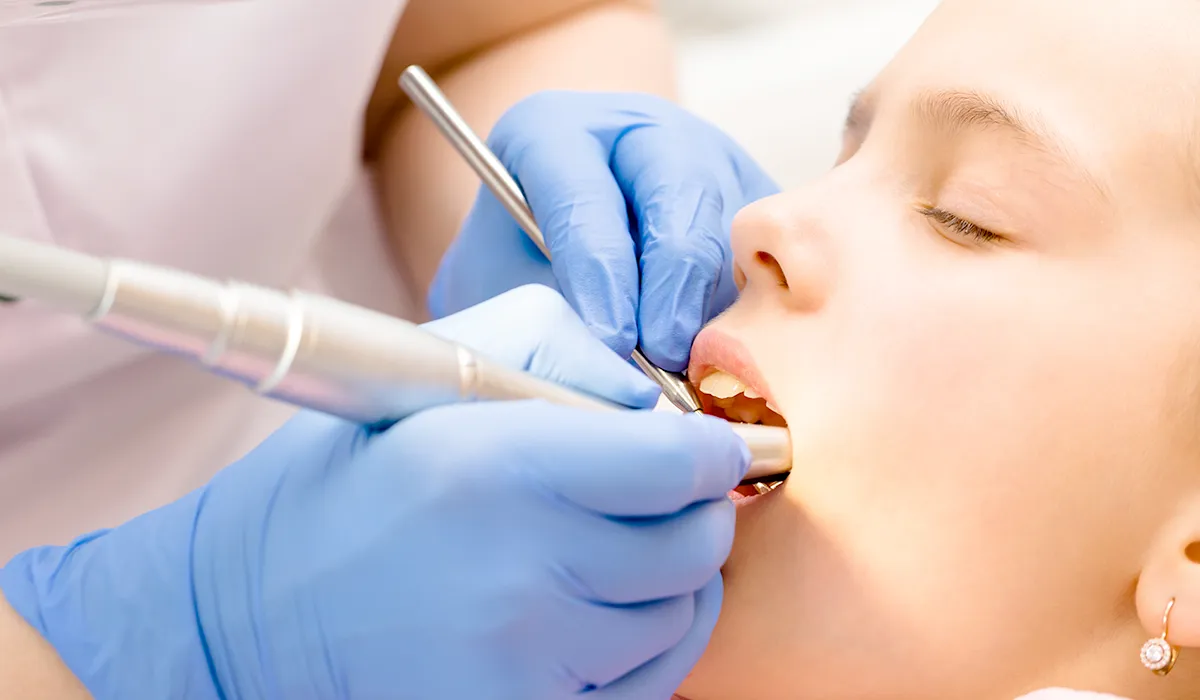
- Cavities (tooth decay): Bacteria in plaque produce acids that gradually wear away tooth enamel, creating cavities. If decay spreads deeper into the tooth, it can cause pain, infection, and even tooth loss.
- Gingivitis: This early stage of gum disease occurs when plaque buildup irritates the gums, making them swollen, red, and prone to bleeding. Fortunately, gingivitis is reversible with proper oral care.
- Periodontitis: If gingivitis is left untreated, it can progress to periodontitis, a severe gum infection that damages the tissues and bone supporting the teeth. This can lead to gum recession, loose teeth, and, ultimately, tooth loss.
- Persistent bad breath (halitosis): The bacteria in plaque release foul-smelling byproducts, causing chronic bad breath that won’t go away with mints or mouthwash.
Effective treatments and prevention strategies
Winning the battle against plaque requires a combination of daily oral hygiene, professional dental care, and healthy lifestyle choices. Here’s how you can keep plaque under control and maintain a healthier smile:
1. Daily oral hygiene habits
- Brush twice a day: Use a soft-bristled toothbrush and fluoride toothpaste to clean all surfaces of your teeth for at least two minutes, ensuring plaque removal before it hardens.
- Floss every day: Brushing alone can’t reach between teeth, so flossing is essential to remove trapped food and plaque buildup in tight spaces.
- Use an antibacterial mouthwash: Rinsing with a plaque-fighting mouthwash helps reduce bacteria, freshen breath, and reach areas brushing may miss.
- Stay hydrated: Drinking plenty of water throughout the day helps wash away food particles and bacteria while promoting saliva production, your mouth’s natural defence against plaque.

2. Professional dental care
- Regular checkups and cleanings: Visiting your dentist every six months allows for early detection of plaque-related issues and ensures thorough plaque and tartar removal.
- Deep cleaning (scaling and root planing): If tartar has accumulated below the gumline, a professional deep cleaning may be necessary to prevent gum disease and protect gum health.
3. Healthy dietary choices
- Limit sugary and starchy foods: Bacteria in plaque thrive on sugars and refined carbohydrates, producing acids that attack enamel. Reducing sweets, sodas, and processed snacks can help minimise plaque buildup.
- Eat crunchy, fibre-rich foods: Apples, carrots, and celery act as natural toothbrushes, helping to remove plaque and stimulate saliva production to neutralise harmful acids.
- Incorporate dairy and calcium-rich foods: Cheese, milk, and yoghurt help strengthen enamel and counteract acid erosion, promoting healthier teeth.
4. Avoid harmful habits
- Quit smoking: Cigarette smoking increases plaque buildup, stains teeth, and raises the risk of gum disease and tooth loss. Quitting can significantly improve oral and overall health.
- Limit alcohol consumption: Excessive alcohol dries out the mouth, reducing saliva flow and allowing plaque to thrive. Moderation is key to maintaining a healthy oral environment.
Win the plaque battle every day!
A healthy, confident smile doesn’t happen by chance—it’s built day by day through smart habits and consistent care. Beating plaque isn’t just about looking good; it’s about preventing pain, avoiding costly dental work, and protecting your overall health. With proper brushing technique, daily flossing, regular checkups, and professional cleanings, you’re investing in a pain-free, confident future.
Your smile deserves priority status. Don’t postpone dental care until discomfort forces your hand—by then, damage has already occurred. Schedule an appointment today and partner with our experienced dental team to create your very own personalised oral health strategy. Optimal dental health begins with a single step, and that powerful first move is just a phone call away. Isn’t your oral health worth it?
