
You’re in the middle of your day—maybe working, chatting, or eating—when you feel it: a dull throb at the back of your mouth. It starts off subtle, then grows into something harder to ignore. Maybe it’s accompanied by swelling, jaw stiffness, or even difficulty chewing. Sound familiar?
Chances are, your wisdom teeth may be acting up. These third molars—the final set of teeth to make their entrance, usually in your late teens or early twenties—don’t always settle in quietly. In fact, they’re notorious for causing more pain than purpose. While some people have no issues, many experience discomfort, infection, or dental crowding that eventually calls for removal.
So, how can you tell if your wisdom teeth are simply arriving or causing trouble? We’ll break down what wisdom teeth are, the problems they can cause, and the clear signs that it might be time to have them taken out.
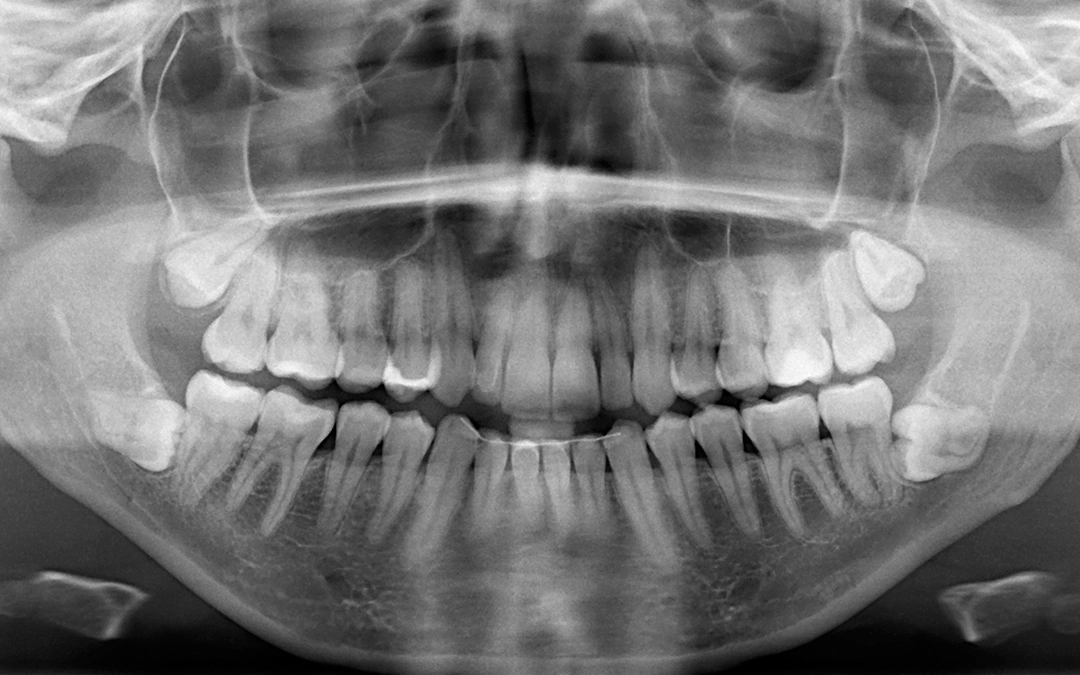
What are wisdom teeth?
Wisdom teeth are your third and final set of molars, usually appearing between the ages of 17 and 25—a time often referred to as the “age of wisdom.” Most people develop four wisdom teeth, with one positioned in each corner of the mouth. However, it’s not uncommon for some individuals to have fewer, or even none at all.
Unlike the rest of your adult teeth, wisdom teeth erupt much later, when your jaw is already fully developed and likely crowded. Because of this limited space, they often struggle to emerge properly. This can lead to impaction (being trapped beneath the gums), growing at odd angles, or pushing against nearby teeth, all of which may result in pain or complications if left unaddressed.
Why wisdom teeth might need to be removed
It’s about space and alignment. While some people have enough room in their jaws for wisdom teeth to grow without problems, many do not. When these third molars lack space or grow at the wrong angle — such as sideways into neighbouring teeth — they can create a range of dental complications, often starting silently and becoming more noticeable over time.
Here are some common reasons why wisdom teeth may need to be removed:
Impaction: When a wisdom tooth becomes trapped beneath the gum line or pushes against neighbouring teeth, preventing it from fully erupting. This can cause pressure, pain, and damage to adjacent teeth.
Infection: Partially erupted wisdom teeth can create small openings in the gums where bacteria and food debris collect, leading to inflammation and infection known as pericoronitis.
Crowding and shifting: As wisdom teeth push forward in a tight space, they may crowd or shift the alignment of surrounding teeth, potentially undoing the effects of previous orthodontic treatment.
Tooth decay and gum disease: Due to their position at the back of the mouth, wisdom teeth are harder to brush and floss properly, making them more prone to cavities and gum infections.
Cysts or tumours: In rare cases, impacted wisdom teeth can develop fluid-filled sacs (cysts) that may damage the jawbone, nerves, or nearby teeth. Although uncommon, this is a more serious reason for early intervention.
Because of these risks, dentists often recommend wisdom tooth removal as a preventive measure, especially when early signs of complications appear or X-rays show potential for future problems.

Signs you may need your wisdom teeth removed
Not all wisdom teeth require removal—some erupt normally and stay trouble-free. However, when these molars begin to cause problems, your mouth will often give you warning signs. If you notice any of the following symptoms, it may be time to book a dental appointment:
Persistent pain or discomfort: A consistent ache, sharp pain, or pressure at the back of your mouth could signal impacted or erupting wisdom teeth. The discomfort may radiate to your jaw, ear, or even trigger headaches.
Swollen or tender gums: Red, inflamed, or sensitive gums—especially around a partially erupted tooth — are a common indicator. This can make eating, brushing, or flossing difficult and uncomfortable.
Jaw stiffness or difficulty opening your mouth: Impacted wisdom teeth can restrict the movement of your jaw, causing stiffness, soreness, or difficulty opening your mouth fully.
Bad breath or unpleasant taste: If you notice a persistent bad smell or bitter taste in your mouth, it may be due to bacteria and food particles trapped around a partially erupted tooth, a common sign of infection.
Crowded or shifting teeth: Wisdom teeth can push against surrounding teeth, disrupting your bite and causing previously aligned teeth to shift out of place, even after orthodontic treatment.
Lumps, swelling, or cysts near the back of the mouth: Unusual swelling, a persistent lump, or a cyst-like bump at the back of your gums could point to a deeper issue, such as an impacted tooth or a fluid-filled sac forming in the jaw.
If you’re experiencing one or more of these signs, don’t wait for the discomfort to worsen. A prompt dental evaluation can help determine whether wisdom tooth removal is the right step to protect your oral health.
When to head to the dentist
If you’re between the ages of 16 and 25, it’s a good idea to have your wisdom teeth regularly monitored by a dentist, even if you’re not currently in pain. Routine check-ups and dental X-rays can reveal early signs of impaction, misalignment, or crowding before symptoms develop. Early detection often means a simpler removal process and fewer complications down the line.
You should also schedule a dental visit if:
- You’re experiencing any of the warning signs mentioned earlier (such as pain, swelling, or jaw stiffness).
- You’ve noticed changes in your bite or the alignment of your teeth.
- You’re having trouble cleaning the back of your mouth or keeping the area around your wisdom teeth free of food and plaque.
Each person’s oral anatomy is unique, so your dentist or oral surgeon will assess your case through clinical examination and imaging to determine whether removal is necessary, and if so, when the best time would be to proceed.

Your wisdom tooth removal steps
Getting a wisdom tooth taken out is a routine dental procedure, but the exact approach can vary depending on whether the tooth is fully erupted or impacted beneath the gums.
Here’s a step-by-step look at what you can typically expect:
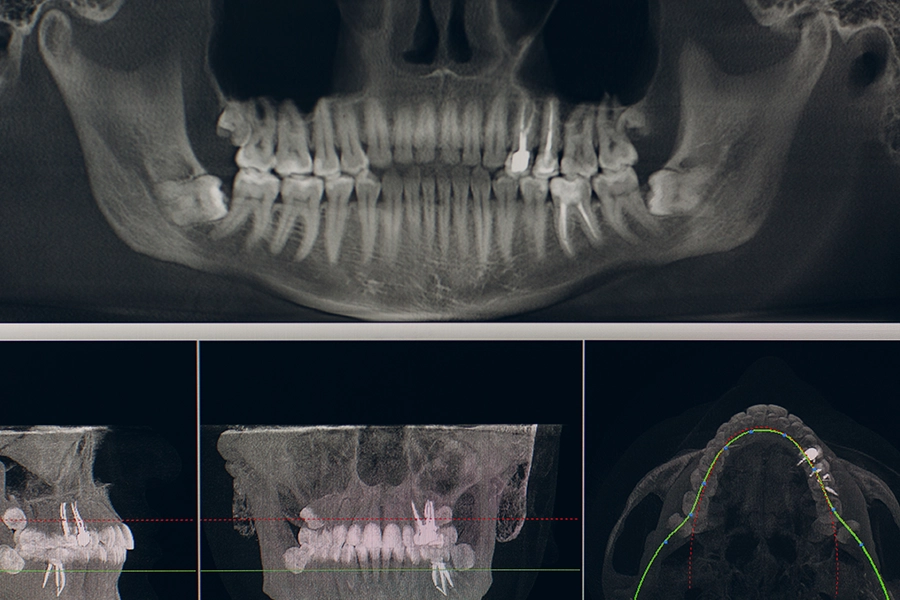
- Consultation and imaging: Your dentist will begin with a thorough examination, including panoramic X-rays or 3D scans, to assess the position of your wisdom teeth. This helps determine the most effective treatment plan and whether a simple or surgical extraction is needed.
- Anaesthesia options: To ensure your comfort, your dentist or oral surgeon will discuss anaesthesia options. These may include local anaesthesia (numbing the area), inhalation sedation (such as nitrous oxide), or general anaesthesia for more complex cases.
- Extraction procedure
- For erupted teeth: A simple extraction may be performed using forceps to remove the tooth.
- For impacted teeth: A small incision may be made in the gum, and the tooth might be removed in sections to minimise disruption to surrounding tissue.
- Recovery and aftercare: After the procedure, you’ll receive detailed post-operative care instructions. Recovery typically involves:
- Rest and limited physical activity for a few days
- Eating soft foods (like soups, yogurts, and smoothies)
- Managing swelling with ice packs and over-the-counter pain relief
- Keeping the area clean, drinking through straws, and avoiding smoking
Most patients heal within 1 to 2 weeks, though full recovery may take a bit longer if multiple teeth were removed or stitches were placed. Following your dentist’s aftercare instructions is key to avoiding complications like dry socket or infection.
Are there risks in not removing wisdom teeth?
Yes, leaving problematic wisdom teeth untreated can lead to a range of oral and even systemic health issues. While some risks may seem minor at first, they can escalate if not addressed.
Here are the potential complications:
- Chronic pain and swelling
- Tooth decay and gum disease
- Misalignment of nearby teeth
- Jaw infections or cyst formation
- Damage to adjacent molars
- Sepsis (in rare cases)
Even if you’re not in pain, impacted wisdom teeth can cause silent damage below the surface. Regular monitoring is essential.

Nip wisdom tooth trouble in the bud
If you’re feeling pressure, pain, or just have a hunch something’s off with your wisdom teeth, don’t wait for it to get worse. While these molars may seem harmless, they can cause hidden damage long before you feel intense symptoms.
Stay ahead, protect your oral health, and keep your smile strong. Excellent oral hygiene, especially around your back teeth, and consistency with dental checkups, will give your the best chance at avoiding serious issues. With the caring team at Dental Paradiso on your side, you’ve got this!
Don’t wait for discomfort to call the shots. Protect your long-term oral health by making your appointment today.
* Before any surgical or invasive dental procedure, AHPRA recommends getting a second opinion from a qualified dental practitioner.