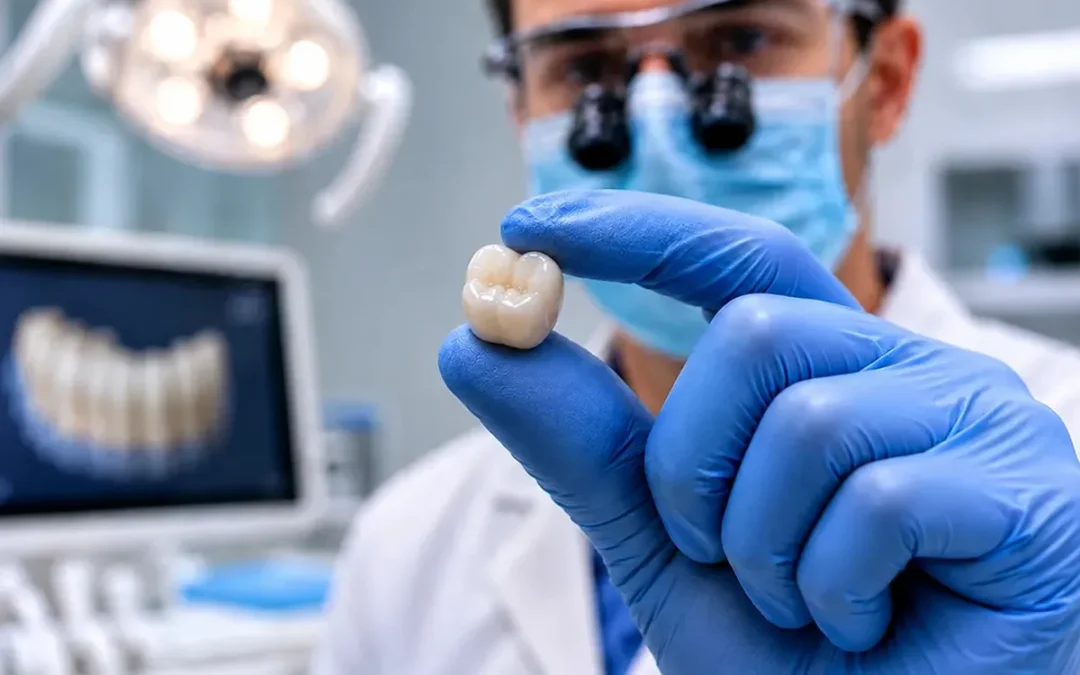
Can a dental crown look like a real tooth?
One of the biggest concerns patients have before getting a dental crown is whether it will actually look natural. It is an understandable concern, especially for people who remember the noticeable crowns their parents or grandparents had years ago.
Older dental crowns could sometimes appear flat, opaque, overly white, or slightly artificial beside surrounding teeth. Some developed dark edges near the gumline over time, while others reflected light differently from natural teeth, making them stand out in a bad way.
Modern dentistry has changed that dramatically.
Today’s dental crowns are designed with aesthetics in mind from the very beginning. Advanced ceramic materials can now mimic the translucency, texture, and light reflection of natural enamel far more closely than older crown materials ever could.
Digital scanning and modern shade-matching techniques also allow dentists and dental technicians to carefully customise the colour, shape, and surface details of each crown so it blends more naturally with the surrounding teeth.
In many cases, it can be difficult for other people to tell which tooth has been restored.
A modern dental crown is not simply designed to repair a damaged tooth. It is designed to restore your smile in a way that looks natural, feels comfortable, and helps you feel confident again.
Why older dental crowns sometimes looked fake
Dental crowns have evolved significantly over the years.
Older crowns were commonly made from porcelain fused to metal, often referred to as PFM crowns. These restorations combined a metal substructure with a porcelain outer layer. While durable, they sometimes created aesthetic limitations.
One of the most common issues was the dark line that could appear near the gumline. This happened when the metal underneath became visible over time, particularly if the gums receded slightly. Light also could not pass naturally through the crown because of the metal core, making the tooth appear more opaque than neighbouring teeth.
In some cases, the porcelain itself looked overly bright or uniform. Natural teeth are not a single flat shade of white. They contain layers, translucency, and subtle variations that reflect light differently across the surface.
Modern crowns are designed with these details in mind.
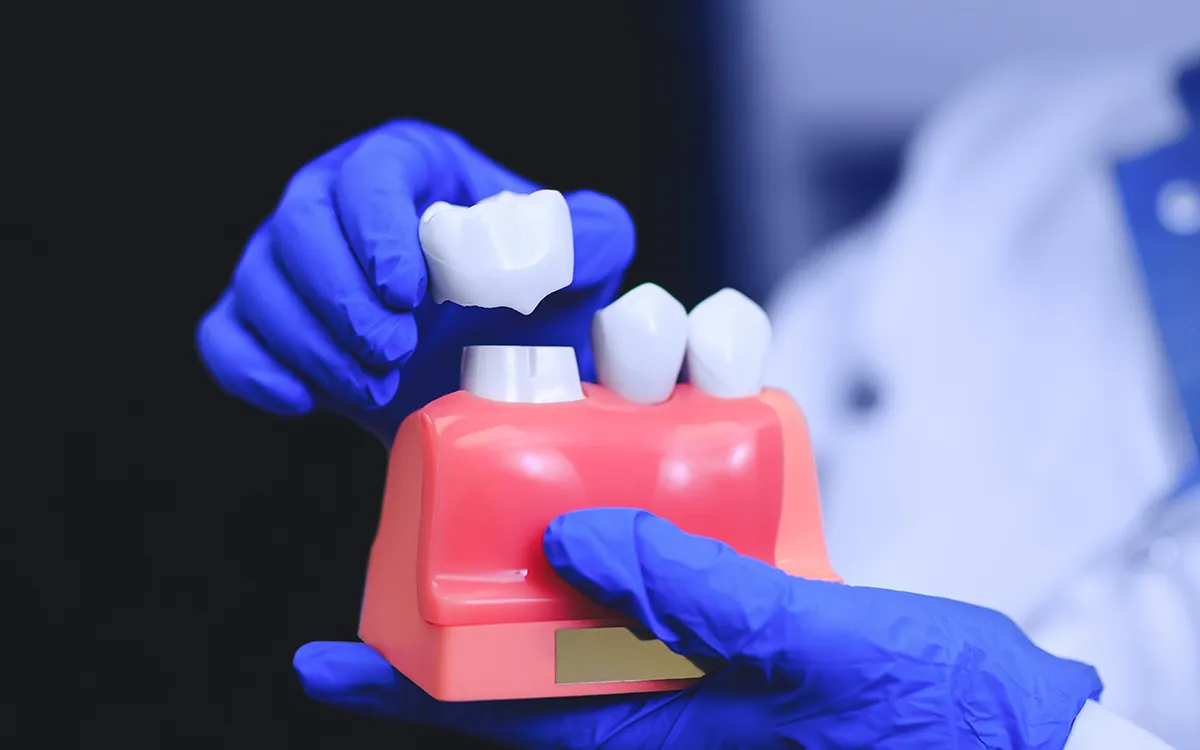
Dental crowns are now more lifelike than ever
Today’s crowns are typically made from advanced ceramic materials such as zirconia or lithium disilicate, commonly known as E.max.
These materials are metal-free and far more lifelike in appearance. They allow light to pass through the restoration in a way that closely resembles natural enamel, creating depth and translucency instead of a flat, artificial look.
Zirconia crowns
Zirconia is known for its exceptional strength and durability. Modern high-translucency zirconia also offers impressive aesthetics, making it suitable for both back and selected front teeth.
Patients who grind their teeth or place heavy pressure on their molars often benefit from zirconia due to its resilience.
E.max crowns
E.max crowns are highly regarded for cosmetic dentistry, particularly for front teeth, where appearance is especially important.
They provide excellent translucency, fine detail, and natural light reflection. This allows the restoration to blend seamlessly into the smile when properly designed and colour-matched.
The choice of material depends on several factors, including tooth location, bite forces, cosmetic goals, and overall oral health.
What makes a dental crown look natural?
A natural crown is not achieved through material alone. Precision and artistry play a major role.
Modern crowns are carefully customised to suit the patient’s existing teeth rather than being made in a generic shade or shape.
Shade matching your natural enamel
Many patients assume dentists simply choose a shade called “white” and move on. In reality, shade matching is far more sophisticated.
Natural teeth contain subtle variations in colour, translucency, brightness, and texture. The edges of a tooth may appear slightly translucent, while the centre reflects light differently. Some teeth contain warm tones, faint grey hues, or gentle gradients that make them appear alive and natural.
Dentists and dental technicians evaluate these characteristics carefully using advanced shade guides, digital photography, and modern scanning technology.
The goal is not to create the whitest tooth possible. It is to create harmony with the surrounding smile.
Contour and texture for realism
Real teeth are not perfectly smooth or identical.
They contain tiny ridges, curves, grooves, and light-reflecting textures that contribute to a natural appearance. A skilled dental technician recreates these details when designing the crown.
This is especially important for front teeth. Even slight differences in contour or proportion can affect how natural the restoration appears when speaking or smiling.
Modern digital design systems allow dentists and laboratories to create crowns with remarkable precision, helping them blend comfortably alongside neighbouring teeth.
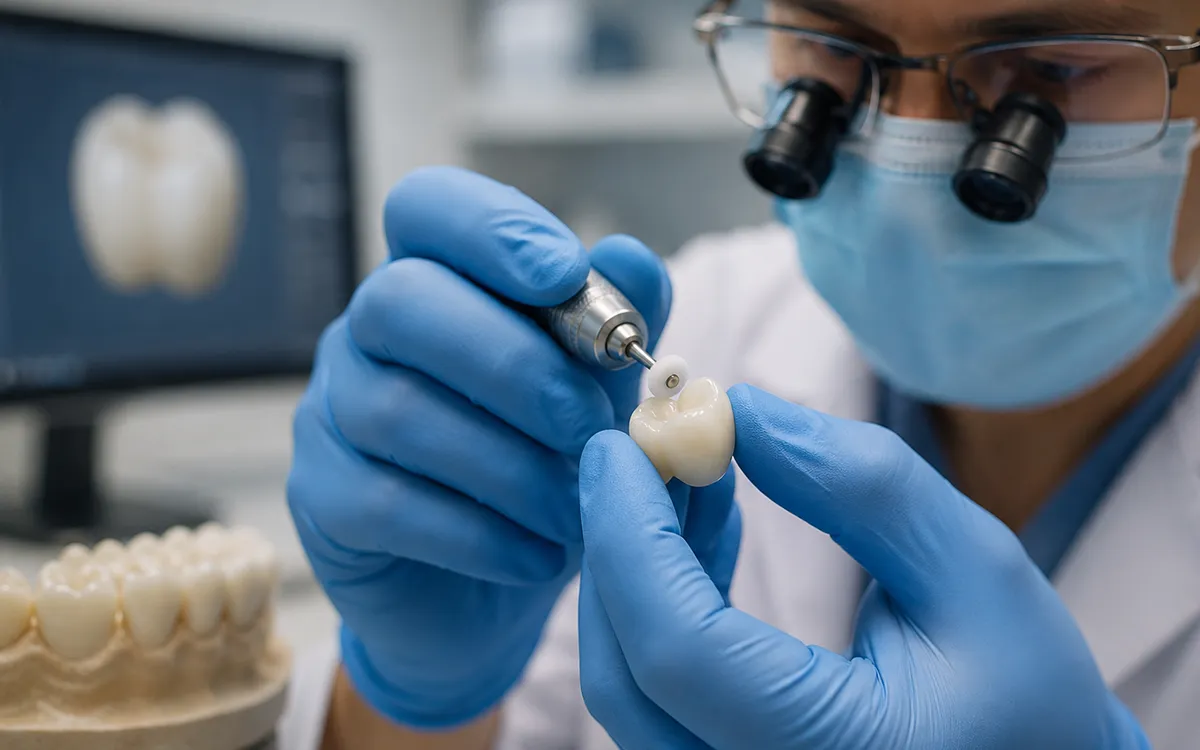
Digital impressions improve accuracy and fit
Traditional dental impressions often involved trays filled with thick impression material. While effective, they could sometimes feel uncomfortable and depended heavily on the technique.
Many modern clinics now use high-definition intraoral scanners instead.
These scanners create highly detailed digital impressions of the teeth and gums, allowing for greater accuracy during crown fabrication. A more precise fit means the crown sits smoothly against the tooth and gumline, helping it look more natural while also improving comfort and function.
Digital technology also allows dentists to assess bite alignment, symmetry, and overall smile integration with greater accuracy.
Front teeth and back teeth require different approaches
Not all crowns are designed the same way.
A crown placed on a front tooth usually prioritises aesthetics above all else. The restoration must reflect light naturally, match surrounding teeth precisely, and complement facial appearance when smiling.
For these cases, highly aesthetic ceramic materials such as E.max are commonly recommended.
Back teeth face different demands. Molars absorb strong chewing forces every day, so strength and durability become especially important. Modern zirconia crowns are often chosen for these areas because they combine natural colour with exceptional toughness.
In many cases, dentists balance both aesthetics and function carefully to achieve a result that feels comfortable and looks seamless.
What affects how crowns look over time?
Even a beautifully crafted crown still depends on long-term oral health and maintenance.
Gum health
Healthy gums frame the teeth and help restorations look natural.
If gum disease develops or gums begin to recede, the margin of the crown may become more visible over time. This can affect aesthetics regardless of how well the crown was originally made.
Consistent brushing, flossing, and regular dental check-ups help maintain healthy gum tissue and support the long-term appearance of the restoration.
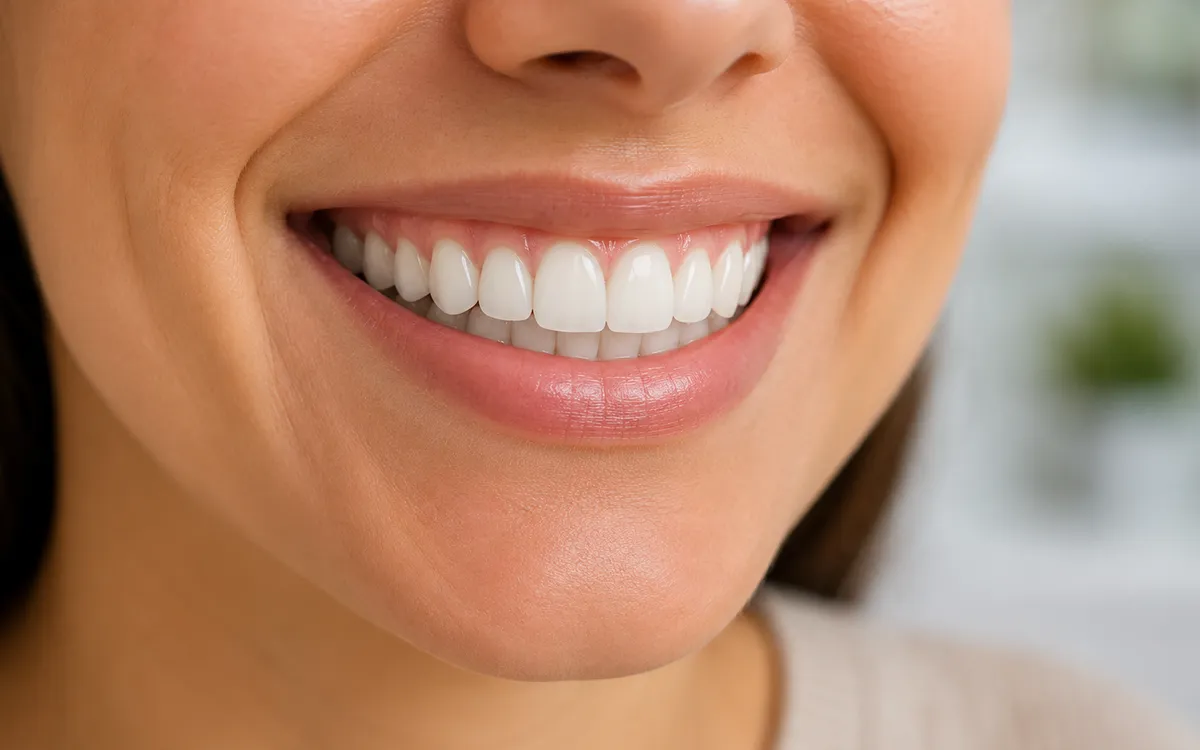
Surrounding teeth
Modern ceramic crowns are highly resistant to staining. Natural teeth, however, can gradually darken from coffee, tea, red wine, smoking, or general ageing.
Over time, this may create contrast between the crown and surrounding teeth if oral hygiene and maintenance are neglected.
Professional cleans and good home care help preserve a balanced, consistent smile.
Skill of your dentist
Technology and materials are important, but experience still matters greatly.
A natural-looking crown depends on careful planning, precise preparation, accurate bite assessment, detailed shade matching, and close communication between the dentist and dental laboratory.
Well-executed dentistry should never leave patients feeling self-conscious about their smile. The best restorations often go unnoticed because they simply look like healthy, natural teeth.
Crowns for confidence without compromise
Modern dental crowns are designed to strengthen damaged teeth without sacrificing the natural appearance of your smile.
Advances in ceramic materials, digital scanning, and cosmetic dentistry techniques now allow crowns to closely mimic the colour, translucency, texture, and shape of natural teeth. When carefully designed and properly fitted, a crown can blend so seamlessly that most people will never realise it is there.
The most natural-looking results come from a blend of advanced materials, artistic precision, and healthy long-term care. Regular dental visits, good oral hygiene, and early treatment all help preserve not only the strength of your teeth, but the confidence and natural beauty of your smile as well.
If you are considering a dental crown, speaking with an experienced dentist can help you understand the most suitable options for your smile, bite, and aesthetic goals.